

Why “Just Push Through” Doesn’t Work After Workplace Harassment
We celebrate resilience, productivity, and professional success. But at what cost?
How many talented people are silently suffering because they cannot afford to leave? How many careers have been derailed because someone was expected to tolerate the intolerable?
Therapy can help people recover from these experiences, but it cannot make an unhealthy workplace safe.
Employers have a responsibility to take workplace harassment seriously. And employees deserve to know that their health, dignity, and well-being matter just as much as their performance.
I spent years believing I had to push through. Today, I understand that strength isn’t measured by how much mistreatment we’re willing to endure.
Perhaps instead of asking why someone couldn’t push through, we should start asking why they had to.
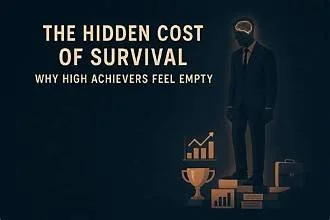
When Success Becomes an Addiction: The Hidden Trauma of High Achievers
When the relentless pursuit of success is costing us our health, our relationships, and our peace of mind, are we truly succeeding—or have we simply found a socially acceptable way to avoid ourselves?

The Weight Women Carry: Why are we still putting ourselves through this?
Here's my question: Are women truly choosing to carry so much, or have we been conditioned to believe that putting ourselves last is what makes us good women?
I'd love to hear your perspective.

Why “Just Push Through” Doesn’t Work After Trauma
You Can’t Outwork Trauma.
We live in a world that celebrates pushing through, staying busy, and being productive no matter what we're carrying emotionally.
But trauma doesn't disappear because you keep showing up to work, meeting deadlines, or pretending you're fine.
Sometimes, staying busy becomes another way of avoiding what needs our attention.
You can be highly functioning and still be deeply struggling.
In my latest blog, I explore why pushing through isn't always resilience—and why healing requires more than just keeping going.
Have we confused being productive with being emotionally healthy?

The Deadly Silence: Why Men Experiencing Abuse Are Still Not Being Heard
Men experience domestic violence, workplace sexual harassment, and discrimination—yet remain largely silent. A trauma therapist explores why men don’t report abuse, how systems fail them, and why the YOU TOO Movement was created.


Breaking Old Patterns: Healing Through Blue Lotus Wisdom & Brain Science
Breaking old patterns

Why Some People Don’t Heal: Understanding Secondary Gain in Mental Health
Secondary gain explains why we repeat emotional patterns, stay stuck in survival mode, and resist change — even when we want healing. Learn how trauma, the nervous system, and subconscious payoff shape your healing journey.

The Silent Wounds: The Psychological Impact of Discrimination and Sexual Harassment in the Workplace
The Silent Wounds: The Psychological Impact of Discrimination and Sexual Harassment in the Workplace
By Deirdre Arato, LPC

The Neuroscience of Hate: How It Impacts the Brain and Why Social Media Makes It Worse
Neuroscience of Trauma and Addiction


After 40+ Years of Anxiety, I Finally Realized How to Work With It – My Journey to Healing and Peace
It all begins with an idea.


How Emotional Trauma Shapes Your Perception and Influences Your Current Reality
How Trauma impacts the brain

How Trauma Shapes Relationships — and How Therapy Can Help You Rebuild Trust
Rebuilding relationships

Why Lack of Emotional Intimacy Is Ruining Relationships
Why the lack of emotional intimacy ruins relationships
